








How Reiki Can Transform Your Sleep: A Natural Path to Better Rest
Sleep. It’s something we all need, yet so many of us struggle to get enough quality rest. If you’re reading this at 2 AM, scrolling through your phone after another restless night, you’re not alone. Millions of people worldwide battle with insomnia, restless sleep, or simply the inability to feel truly rested despite spending eight hours in bed.
While there are countless sleep aids, medications, and gadgets promising better rest, sometimes the most effective solutions are the gentlest ones. Enter Reiki – an ancient Japanese healing practice that’s been quietly helping people find peace and restoration for over a century. But can this gentle energy work really help you sleep better? The answer, for many people, is a resounding yes.
What Exactly Is Reiki?
Before diving into how Reiki can improve your sleep, let’s clear up what this practice actually involves. Reiki, pronounced “ray-key,” combines two Japanese words: “rei” meaning universal or spiritual, and “ki” meaning life energy. It’s based on the idea that we all have a life force energy flowing through us, and when this energy is blocked or low, we experience physical, emotional, or mental distress.
During a Reiki session, a trained practitioner places their hands lightly on or just above different areas of your body. The goal isn’t to manipulate muscles or joints like massage therapy. Instead, it’s about channeling healing energy to help restore balance and promote the body’s natural healing processes. Think of it as a gentle reset button for your entire system.
What makes Reiki particularly appealing for sleep issues is its non-invasive nature. You remain fully clothed during sessions, there’s no need for oils or lotions, and many people find it deeply relaxing from the very first treatment. It’s also something you can learn to practice on yourself, making it a valuable long-term tool for better sleep.
The Science Behind Sleep and Stress
To understand how Reiki can help with sleep, it’s worth exploring what actually happens when we can’t sleep well. Most sleep problems stem from an overactive nervous system – specifically, when our sympathetic nervous system (responsible for our “fight or flight” response) refuses to calm down and let our parasympathetic nervous system (our “rest and digest” mode) take over.
Research published in medical journals has shown that insomnia has been linked with low parasympathetic activity and/or high sympathetic activity. The parasympathetic nervous system is crucial for rest and recovery, as it helps to control your body’s response during times of rest and works to balance the sympathetic system’s stress response.
Modern life bombards us with stressors that keep our nervous systems in a constant state of alertness. Work deadlines, financial worries, relationship challenges, and even the blue light from our devices all signal to our brains that we need to stay vigilant. Research suggests that chronic stress is linked to high blood pressure, clogged arteries, anxiety, depression, addictive behaviors, and obesity. When bedtime arrives, our minds continue racing, our bodies remain tense, and quality sleep becomes elusive.
This is where Reiki’s gentle approach becomes particularly valuable. Rather than forcing relaxation through medication or intense techniques, Reiki works with your body’s natural tendency toward balance and healing. It helps shift your nervous system from high alert to a state of calm receptivity – exactly what you need for restorative sleep.
How Reiki Specifically Improves Sleep Quality
The connection between Reiki and better sleep happens on multiple levels. First, there’s the immediate physical relaxation that occurs during treatment. As the practitioner’s hands move to different positions on your body, you’ll often notice tension melting away from areas you didn’t even realize were tight. Your breathing naturally deepens, your heart rate slows, and your muscles release stored stress.
Scientific research has provided evidence supporting Reiki’s effectiveness for various health conditions. A systematic review published in the journal PLOS ONE found that of 13 suitable studies, 8 demonstrated Reiki being more effective than placebo for various conditions including anxiety and pain relief. Additionally, research published in medical journals has shown that Reiki may be effective for reducing fatigue and improving sleep quality in patients with multiple sclerosis, with the treatment being non-invasive and having no side effects.
But the benefits go deeper than physical relaxation. Reiki addresses the energetic imbalances that contribute to sleep disturbances. According to Reiki principles, when our energy centers (called chakras) are blocked or out of alignment, it can manifest as various symptoms – including sleep problems. By helping to clear these blockages and restore energy flow, Reiki creates conditions that support natural, restorative sleep.
Many people report that their sleep improves not just on the night after a Reiki session, but for several nights following. This suggests that Reiki helps reset your nervous system’s baseline, making it easier to transition into sleep mode on subsequent nights. It’s like giving your body a reminder of what deep relaxation feels like.
The mental and emotional benefits of Reiki also play a crucial role in sleep improvement. Racing thoughts, anxiety, and emotional overwhelm are common culprits behind sleepless nights. Research has found evidence suggesting that Reiki therapy may be effective for reducing both pain and anxiety, which are often barriers to quality sleep. Reiki helps quiet the mental chatter by promoting a meditative state of awareness. During treatment, many people experience what practitioners call “monkey mind” – the constant stream of thoughts – gradually settling into peaceful stillness.
An important consideration is that with respect to safety, there have been no reported negative effects from Reiki in any of the research studies. This is understandable given that no substance is ingested or applied to the skin, and Reiki touch is non-manipulative and can be offered off the body when needed.
Personal Stories: Real People, Real Results
Sarah, a marketing executive from Chicago, started receiving Reiki treatments after years of relying on sleep medications. “I was skeptical at first,” she admits. “How could someone just placing their hands on me help with something I’d struggled with for years? But after my first session, I slept through the night for the first time in months. It wasn’t just the duration – it was the quality of sleep that amazed me. I woke up feeling truly refreshed.”
Michael, a retired teacher dealing with chronic pain that interfered with his sleep, found that regular Reiki sessions helped him manage both issues simultaneously. “The pain would keep me awake, and the lack of sleep would make the pain worse. It was a vicious cycle. Reiki helped break that cycle by addressing both the physical discomfort and the stress and anxiety that came with it.”
These stories reflect a common theme among people who use Reiki for sleep: the benefits often extend beyond just sleeping better. Improved sleep quality leads to better mood, increased energy, enhanced immune function, and greater overall well-being. It’s a positive cascade effect that starts with those first few nights of truly restorative rest.
Different Ways to Experience Reiki for Sleep
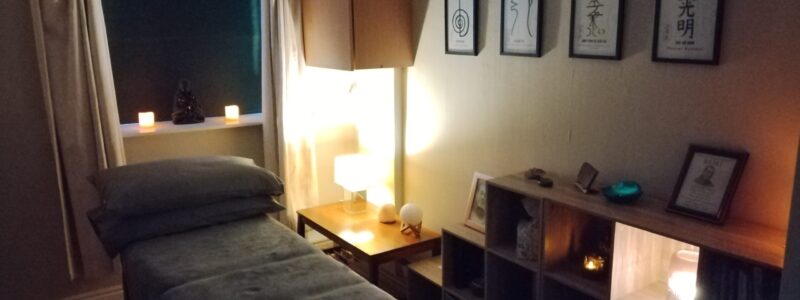
There are several ways to incorporate Reiki into your sleep routine, each with its own advantages. Traditional in-person sessions with a certified practitioner offer the most comprehensive experience. During these sessions, you’ll typically lie on a massage table while the practitioner works through a series of hand positions, spending several minutes at each location. Sessions usually last 60-90 minutes and often leave people feeling deeply relaxed and renewed.
Distance Reiki is another option that many find surprisingly effective. Based on the principle that energy isn’t limited by physical space, practitioners can send Reiki energy to clients who are miles away. While this might sound far-fetched, many people report experiencing the same sensations and benefits as in-person sessions. This option is particularly convenient for those with mobility issues or busy schedules.
Self-Reiki is perhaps the most practical long-term approach for sleep improvement. After learning the basic hand positions and techniques, you can practice on yourself whenever needed. Many people find that even 15-20 minutes of self-Reiki before bed helps them transition into sleep more easily. It’s like having a personal relaxation tool available whenever you need it.
Creating Your Own Reiki-Inspired Sleep Routine
Even if you’re not ready to dive into formal Reiki training, you can incorporate Reiki-inspired practices into your bedtime routine. Start by setting aside 10-15 minutes before bed for intentional relaxation. Create a calm environment by dimming lights, perhaps lighting a candle or diffusing calming essential oils like lavender or chamomile.
Begin by sitting or lying comfortably and taking several deep breaths. Place your hands gently on your heart center and set an intention for peaceful, restorative sleep. Move your hands to different areas of your body – your forehead, throat, stomach, and any areas that feel tense or uncomfortable. You don’t need to do anything special; simply rest your hands in each position for a few minutes while breathing deeply and allowing your body to relax.
The key is consistency and intention. Your body will begin to recognize this routine as a signal that it’s time to shift into sleep mode. Over time, you may find that just beginning the routine starts to make you feel drowsy and ready for rest.
What to Expect: Managing Your Expectations
It’s important to approach Reiki with realistic expectations. While many people experience improved sleep after their first session, others may need several treatments before noticing significant changes. Your response to Reiki depends on various factors, including how long you’ve been dealing with sleep issues, your stress levels, and your openness to the process.
Some people experience what practitioners call a “healing crisis” – a temporary worsening of symptoms before improvement occurs. This might mean feeling more tired than usual for a day or two, or experiencing vivid dreams as your body processes and releases stored tension. These responses are generally considered positive signs that your system is responding to the treatment.
The cumulative effects of Reiki tend to be more pronounced than individual sessions. Many people find that their sleep continues to improve with regular treatments, and they develop better overall sleep hygiene habits as they become more attuned to their body’s needs and rhythms.
Combining Reiki with Other Sleep Strategies
Reiki works beautifully alongside other healthy sleep practices. Good sleep hygiene – like maintaining consistent bedtimes, keeping your bedroom cool and dark, and avoiding screens before bed – creates the foundation for restorative sleep. Reiki can enhance these practices by helping you actually relax enough to benefit from them.
Many people find that combining Reiki with gentle yoga, meditation, or breathing exercises creates a powerful synergy. The key is finding what works for your lifestyle and preferences. Some prefer active practices like yoga followed by the stillness of Reiki, while others find that Reiki helps them settle into meditation more easily.
The Ripple Effects of Better Sleep
When you start sleeping better through Reiki, you’ll likely notice improvements in other areas of your life too. Better sleep enhances cognitive function, emotional regulation, and physical health. Your relationships may improve as you become less irritable and more present. Work performance often increases as concentration and creativity flourish with adequate rest.
The stress-reduction benefits of Reiki create a positive feedback loop. As you sleep better, you handle daily stressors more effectively, which in turn makes it easier to relax and sleep well. This upward spiral can lead to lasting improvements in overall quality of life.
Finding the Right Practitioner
If you decide to try professional Reiki treatments, finding the right practitioner is important. Look for someone who is certified through a reputable Reiki organization and has experience working with sleep issues. Many practitioners offer brief consultations where you can ask about their approach and experience.
Trust your instincts when choosing a practitioner. You should feel comfortable and safe with them, as the therapeutic relationship plays a significant role in the effectiveness of treatment. Don’t hesitate to ask about their training, experience, and approach to working with sleep concerns.
Conclusion: Your Journey to Better Sleep
In our fast-paced world, finding natural, sustainable ways to improve sleep is more important than ever. Reiki offers a gentle, non-invasive approach that addresses sleep issues at their root – helping to balance your nervous system, release stored tension, and create conditions for truly restorative rest.
Whether you choose to work with a practitioner, learn self-Reiki, or simply incorporate some Reiki-inspired relaxation techniques into your bedtime routine, you’re taking a step toward better sleep and overall well-being. Remember that improving sleep is often a gradual process, and small changes can lead to significant improvements over time.
The beauty of Reiki lies in its simplicity and gentleness. In a world full of complicated solutions and quick fixes, sometimes the most profound healing comes from the simplest practices. As you explore how Reiki might help transform your sleep, be patient with yourself and open to the possibility that better rest – and the better life that comes with it – might be closer than you think.
Sweet dreams, and may your journey toward better sleep through Reiki bring you the peace and restoration you deserve.
References and Further Reading
Research Studies:
- Baldwin, A. L., Vitale, A., Brownell, E., Scicinski, J., Kearns, M., & Rand, W. (2017). The touchstone process: an ongoing critical evaluation of Reiki in the scientific literature. Holistic Nursing Practice, 31(5), 342-349.
- McManus, D. E. (2017). Reiki is better than placebo and has broad potential as a complementary health therapy. Journal of Evidence-Based Complementary & Alternative Medicine, 22(4), 1051-1057. PMC Article
- Thrane, S., & Cohen, S. M. (2014). Effect of Reiki therapy on pain and anxiety in adults: an in-depth literature review of randomized trials with effect size calculations. Pain Management Nursing, 15(4), 897-908. PMC Article
- Yılmaz, S. G., & Kav, S. (2024). The effect of reiki on fatigue and sleep quality in individuals with multiple sclerosis: a randomised controlled study. Complementary Therapies in Clinical Practice, 55, 101847. ScienceDirect
Sleep and Nervous System Research:
- Baglioni, C., Spiegelhalder, K., Lombardo, C., & Riemann, D. (2010). Sleep and emotions: a focus on insomnia. Sleep Medicine Reviews, 14(4), 227-238.
- Ravichandran, N., Pandit, B., Sharma, A., Jadhav, P., & Chowdhury, S. (2019). Self-regulation of breathing as an adjunctive treatment of insomnia. Frontiers in Psychiatry, 9, 780. Frontiers Article
Medical Institution Resources:
- Cleveland Clinic: Parasympathetic Nervous System Overview
- Harvard Health: Understanding the Stress Response
- University of Minnesota: What Does the Research Say about Reiki?
Professional Organizations:
- Center for Reiki Research: Evidence-Based Research
- International Association of Reiki Professionals: Find a Practitioner