







How Reiki Supports the Path Back to Balance
How Reiki Can Help With Burnout
Burnout is one of the most commonly discussed issues affecting modern life, yet many people still struggle to understand what it truly is, how dangerous it can be, and how to recognise its subtle onset long before it progresses to a crisis. In the United Kingdom, burnout is increasingly being discussed not only in workplaces but also among healthcare professionals, educators, parents balancing responsibilities, and people striving for professional or personal success with little time to rest.
In this blog post we will explore three major themes:
What burnout is and why it matters
What the early and subtle signs are that you are approaching burnout
How Reiki can support recovery from burnout and improve wellbeing
What Burnout Really Is
Burnout is a specific response to prolonged, unmanaged stress. Medically and psychologically, it is described as a syndrome of physical, mental, and emotional exhaustion, often caused by extended involvement in situations that are emotionally demanding. The term has evolved over decades of research and was formally recognised by the World Health Organisation (WHO) in 2019 as an “occupational phenomenon” rather than a medical condition. It is defined as resulting from chronic workplace stress that has not been successfully managed. (Burn-out UK)
At its core, burnout reflects a deep depletion of energy and resilience, such that the person is no longer able to function in a sustainable way. According to WHO and other psychology research, the concept of burnout is typically summarised by three key dimensions:
Feelings of energy depletion or exhaustion
Increased mental distance from one’s job, or feelings of negativism or cynicism related to one’s job
Reduced professional efficacy and productivity (Burn-out UK)
The NHS describes burnout as a state of physical and emotional exhaustion caused by constant pressure in your job or environment. (GH@W)
Importantly, burnout is not merely “being tired.” Tiredness can usually be remedied with rest or a holiday. By contrast, burnout affects the way you think, feel, and behave in both your work and personal life.
Why Burnout Matters
Burnout is not a fad word used loosely in everyday speech. Its prevalence and impact are considerable, and its consequences extend beyond just feeling tired or fed up.
1. Widespread Prevalence
Several reports suggest that burnout affects a large portion of the UK workforce. Recent figures indicate that an estimated 65 per cent of UK workers feel burnt out, a number that has risen significantly in recent years. One in five workers has needed time off due to mental health problems linked to stress at work. (Mental Health Foundation)
2. Risk of Long-Term Health Issues
If left unaddressed, burnout can contribute to other serious physical and psychological health problems. Chronic stress is associated with increased risk of heart disease, hypertension, weakened immunity, and gastrointestinal issues. Psychologically, it is strongly linked with depression, anxiety, and sleep disorders. (Mental Health Foundation)
3. Impact on Life Beyond Work
Burnout is often framed as a workplace issue, but its effects ripple into personal relationships, daily functioning, and quality of life. People experiencing burnout may find that they are less present with family and friends, struggle with simple daily tasks, or become increasingly cynical and withdrawn.
4. Importance of Early Recognition
Burnout does not occur suddenly. It typically develops over months or years of unresolved stress. Because many of the early symptoms are subtle, people often fail to recognise the signs until they are deeply entrenched.
The Subtle Signs You Are Heading Toward Burnout
One of the most dangerous aspects of burnout is that it often creeps up slowly. It starts with small, seemingly insignificant changes in how you feel or function and, left unacknowledged, these changes intensify into full burnout. Below are signs to watch for, from the subtle and early signs to more pronounced symptoms.
Early Warning Signs
These are the changes that many people dismiss as “just stress” or assume will pass with time:
1. Persistent Exhaustion
This differs from normal tiredness because no amount of sleep seems to make a difference. You may feel physically drained first thing in the morning and still feel the same at night. (Vitality Insurance Plans)
2. Emotional Detachment
You might find yourself mentally distancing from work, relationships, or activities you used to enjoy. Thoughts like “I just don’t care anymore” are a hallmark of emotional detachment. (Bloomsbury)
3. Trouble Concentrating or Making Decisions
Subtle cognitive difficulties can show up early. You may find it harder to focus on tasks, solve problems, or remember simple details.
4. Decline in Creativity or Enjoyment
Activities that once energised you no longer hold your interest. Simple decisions take more effort, and your motivation decreases without an obvious external cause. (Reddit)
5. Increased Irritability or Negative Thoughts
This can surface in small ways, such as being more easily annoyed by minor frustrations or having a more pessimistic outlook than usual.
6. Disrupted Sleep Patterns
While tiredness might feel similar to burnout at first, disrupted sleep that does not improve with rest is a strong early sign. (Mental Health UK)
More Overt Signs of Escalating Burnout
As burnout progresses, signs become more noticeable and harder to ignore:
1. Cynicism and Depersonalisation
You might find yourself emotionally pulling away from colleagues, clients, or even loved ones, feeling indifferent or cynical. This is commonly referenced in occupational burnout research as depersonalisation. (Wikipedia)
2. Reduced Performance and Productivity
Tasks that were once straightforward feel overwhelming and significantly more effortful. You may start missing deadlines or making uncharacteristic errors. (Mental Health Foundation)
3. Physical Symptoms
Burnout is linked with physical symptoms such as headaches, muscle tension, high blood pressure, gastrointestinal issues, and more. These are not always recognised as burnout but are stress manifestations. (Mental Health UK)
4. Emotional Symptoms
Feelings of helplessness, chronic dread about the next day, low mood, and social withdrawal are common as burnout deepens. (Mental Health UK)
5. Loss of Sense of Purpose or Meaning
Often, people reaching burnout begin to question the meaning of their work or experience a profound disconnect between their intentions and their daily reality.
Burnout in High-Risk Populations
Some people are more vulnerable to burnout due to the nature of their work or demands placed on them. Healthcare workers, teachers, social workers, and caregivers are particularly at risk because their roles often involve constant emotional labour and sustained engagement with suffering or high pressure.
For example, NHS surveys and workforce reports indicate that nearly half of ambulance staff and a large proportion of medical and dental staff report feeling burnt out due to work pressures. Burnout has become a major concern within the health services in the UK because it affects staff wellbeing, staff retention, and the quality of patient care. (NHS Employers)
How Reiki Can Support Burnout Recovery
Reiki is a form of subtle energy healing that originated in Japan and is now practised around the world. It is not a substitute for medical treatment, but many people find that it supports wellbeing in ways that complement conventional approaches to stress and burnout.
Reiki and Stress Reduction
One of the primary ways Reiki can help with burnout is by reducing stress levels. Reiki sessions are often reported to induce a deep sense of relaxation. This relaxation response counters the physiological stress response that contributes to burnout. When the nervous system downshifts from sympathetic (fight or flight) dominance to parasympathetic (rest and digest), the body can begin to recover from chronic stress.
Scientific Evidence Supporting Reiki for Burnout-Related Symptoms
Although research into Reiki is still growing, there are credible studies that show measurable benefits. For example, a randomised controlled trial found that Reiki treatment produced statistically significant improvements in salivary immunoglobulin A (sIgA) and diastolic blood pressure in nurses diagnosed with burnout syndrome. This suggests that Reiki had a measurable effect on both immune response and stress-related physiological markers. (PubMed)
This kind of evidence helps bridge the gap between anecdotal experience and clinical research, particularly for healthcare professionals struggling with chronic stress and burnout.
Reiki and Emotional Wellbeing
Burnout doesn’t just affect the body. Emotional exhaustion and mental detachment can create a sense of disconnection and overwhelm. Many people who receive Reiki report feelings of emotional grounding, increased clarity, and a sense of being more centred. These subjective experiences can support emotional resilience, fostering a stronger internal ability to cope with stressors.
Reiki and Sleep Improvement
Sleep disturbances are among the most common complaints of people experiencing burnout. Reiki’s calming influence can help quiet the mind and soothe the nervous system, which may improve sleep quality. Improved sleep, in turn, supports cognitive function, emotional regulation, and physical recovery.
Reiki as Part of a Holistic Recovery Plan
It is important to emphasise that Reiki should not be seen as a standalone treatment for burnout. A holistic plan is always the most effective approach and might include:
Psychotherapy or counselling
Mindfulness and meditation practices
Lifestyle changes such as improved sleep, diet, and exercise
Time off work or adjustments in workload
Social support and connection
Reiki can complement these approaches by supporting relaxation, emotional recovery, and increased self-awareness.
Reiki in Practice: What to Expect
If you are new to Reiki and considering it as a support for burnout, here is what a typical session involves:
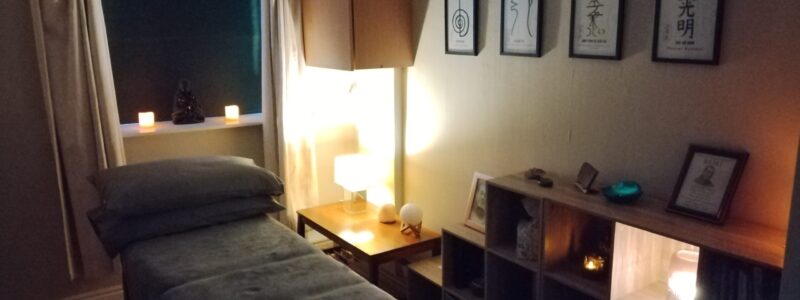
You lie fully clothed on a massage table or comfortable chair
The practitioner places hands lightly on or just above areas of the body
The session lasts between 45 minutes to an hour
Many people feel warmth, tingling, or deep relaxation during treatment
Sessions are gentle and non-invasive, making Reiki suitable for people who are already fatigued or hypersensitive due to burnout. The non-judgmental, calm environment created by Reiki practitioners often fosters a sense of safety that encourages deeper rest.
When Should You Seek Professional Help?
While Reiki can support wellbeing, burnout can lead to conditions that require professional intervention. If you experience:
Persistent and worsening symptoms despite rest
Suicidal thoughts or severe depression
Anxiety that interferes with daily functioning
Sleep problems that do not improve
then you should consult a healthcare professional. In the UK, you can speak to your GP, who may refer you to talking therapies or recommend a workplace adjustment if your symptoms are linked to your job. (Vitality Insurance Plans)
Conclusion
Burnout is more than a buzzword or a temporary malaise. It is a serious syndrome described by the World Health Organisation as resulting from chronic, unmanaged stress and characterised by exhaustion, detachment, and reduced efficacy. (Bectu) Its effects are profound, and its subtle early signs often go unrecognised until they become entrenched.
Reiki offers a compassionate, supportive complement to conventional approaches for managing burnout. Its effects on relaxation, emotional balance, and stress physiology show promise as part of a holistic recovery plan. Scientific evidence suggests Reiki can have measurable benefits in stress responses among people experiencing burnout, particularly those in high-pressure roles such as healthcare professionals. (PubMed)
Ultimately, recovering from burnout requires awareness, patience, and a willingness to adapt your lifestyle and self-care practices. Whether you combine Reiki with psychological support, workplace changes, mindfulness, or other wellness practices, the goal remains the same: to return to a state of equilibrium where your energy, engagement, and sense of purpose can flourish once again.
If you feel you could benefit from a Reiki session.
Please Book an appointment now.